
We offer landlord safety certificates through intensive inspection and certification services for rented properties. Landlords need not book installation, repair, or upgrade works in order to be certified. This method is useful for property owners to comply with laws without imposing unnecessary, time-consuming tasks on the tenant or the schedule. Each certificate is due to a professional inspection and testing of existing electrical and safety systems.
We measure condition, compliance, and general safety against current UK requirements. When inspections reveal faults or noncompliance, we explain the findings clearly and the possible options. Our process supports clear decision-making, accurate records, and continued compliance. It supports landlords in expressing their duty of care and in being confident in relation to tenants, letting agents, and local authorities.
Our certification process is clear and well-organised in terms of the inspection pathway. We plan in advance all our inspections so that the inspection reflects the type of property, occupancy and scope of regulations. This ensures that the same methods of assessment are carefully used for all rental properties. Results are clearly documented, and a recognised certification is issued on completion.
Landlords receive information to help them comply with and manage their properties. This professional service helps with good keeping of safety records and assists in lawful letting responsibilities. Our approach promotes consistency, accuracy and regulatory confidence. It is also useful for landlords to show due diligence for audits, inspections or check-ups related to tenancy.
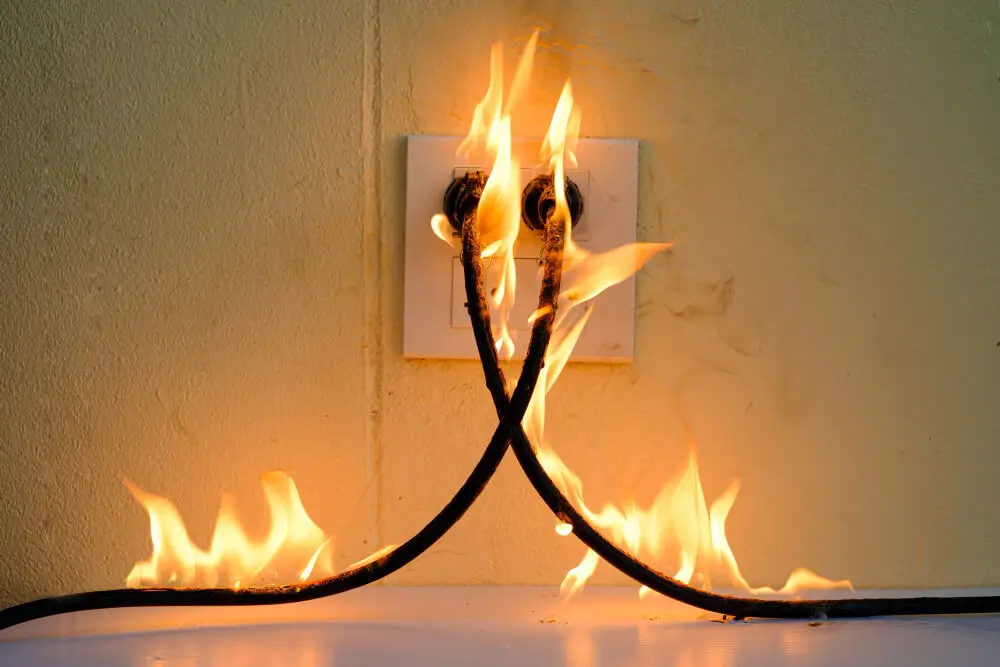
EICR is a report confirming the safety of fixed electrical installations in a rental property. Landlords require a valid EICR to be able to show that wiring, circuits, consumer units and protective devices are still safe to be used. We carry out inspections and testing to BS 7671 requirements. The report shows any deterioration, damage or non-compliance and states clearly how severe the observations are. This helps landlords to know what action must be taken to remain compliant. EICRs cover houses, flats and HMOs and typically need to be renewed every 5 years or or sooner if specified by the inspector.

A Gas Safety Certificate is a document that proves the gas appliances, pipework and flues in a rental property are operating safely. UK legislation states that landlords must arrange for gas safety checks every twelve months where there are installations of gas.
A Gas Safe-registered engineer inspects and tests all applicable appliances and systems. Following a successful inspection, a Gas Safety Certificate is issued to confirm that the current safety regulations have been followed. Landlords must give a copy of the certificate to the tenants and keep the records for legal purposes. In turn, this certification plays an important role in tenant safety, as well as demonstrating responsible property management.
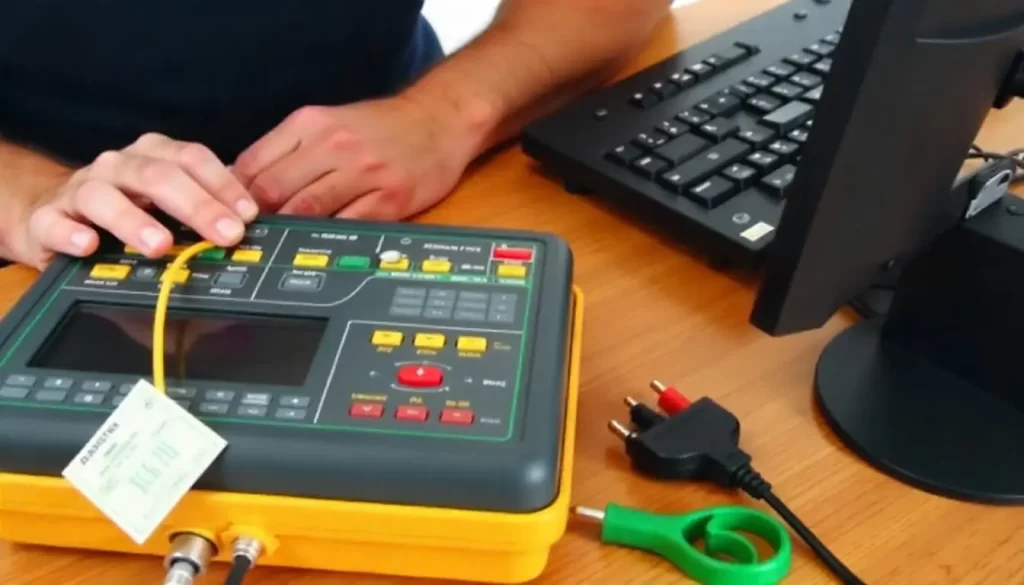
Portable Appliance Testing applies when landlords are providing electrical appliances within a rental property. This includes things like kettles, microwaves, fridges, and other equipment that you plug in. PAT testing allows us to make sure appliances are still fit for continued use.
We inspect and test appliances in order to find damage, wear or electrical faults. In furnished properties, certification helps to support a landlord’s duty of care. PAT testing is not a legal requirement in all domestic rentals, but landlords are strongly advised to arrange it. Commercial properties typically need PAT testing for workplace safety regulations, with testing frequency determined by usage and environmental conditions.
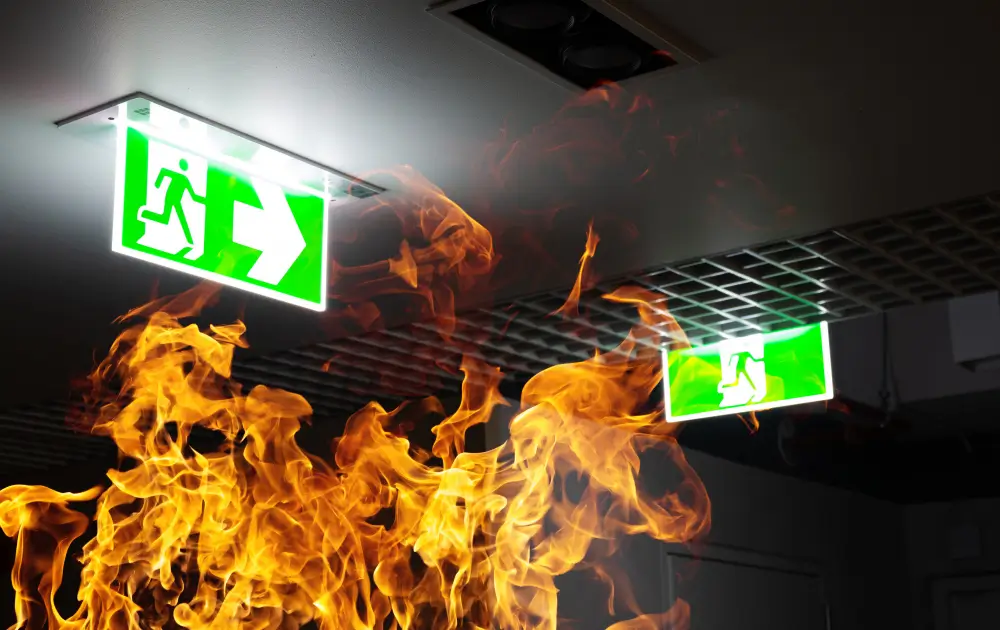
Emergency lighting certification verifies the proper functionality of emergency lighting systems during the failure of the power supply system. This is a requirement commonly placed on HMOs, commercial premises and buildings which have shared escape routes.
We perform emergency lighting system tests to be sure that these systems provide adequate illumination for safe evacuation. Inspections are based on British Standards and cover functional and duration testing. Certification defines that systems meet performance requirements and are reliable when called for. Regular testing and certification are ways of ensuring that landlords uphold obligations to safety and risk reduction in an emergency situation.
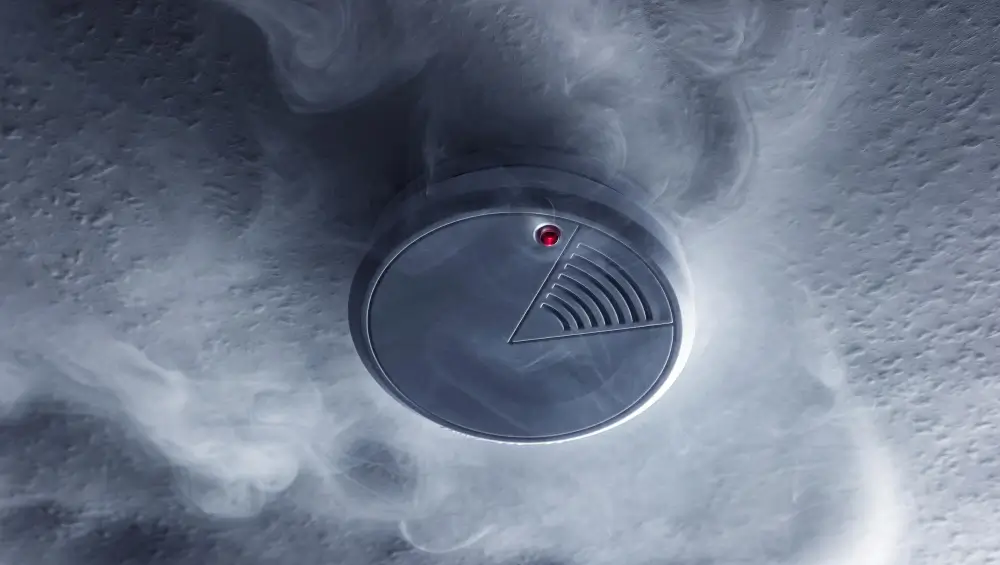
Fire alarm inspection and certification is the way to ensure detection and warning systems are operating correctly within a property. These inspections have a crucial role to play in HMOs, shared accommodation and higher-risk premises.
We inspect fire alarm systems to ensure proper operation, audibility and system integrity. Certification is a measure of reassurance to know that systems are operating as they are meant to and that they are meeting current safety expectations. Regular inspections are mandatory for HMOs and commercial buildings to remain compliant with BS 5839. Fire risk and protection of occupants through early warning and good fire detection.

A Fire Risk Assessment determines the hazard of fire and risk in a building. UK fire safety legislation means landlords, building owners and managing agents are required to undertake assessments in a large number of commercial properties and shared residential premises.
We inspect the layout of the property, occupancy and the existing fire safety measures. The assessment identifies risks and offers practical terms of control to mitigate potential hazards. Fire Risk Assessments need to be reviewed and updated regularly, and especially after any changes are made to the building or the occupancy. This process facilitates continuous compliance and fire safety management.
We issue landlord safety certificates against relevant up-to-date UK legislation and recognised safety standards. Electrical inspections are by BS 7671 and Part P of the Building Regulations. These standards are the criteria for electrical safety in the rented properties.
Where required, we carry out inspections and tests to ensure the condition and compliance of systems. A certification is issued only after the assessment is successfully completed. This documentation is clear evidence of compliance and meets legal and professional requirements. Landlords can use our certificates for regulatory purposes, as tenancy guarantees, and property management records.