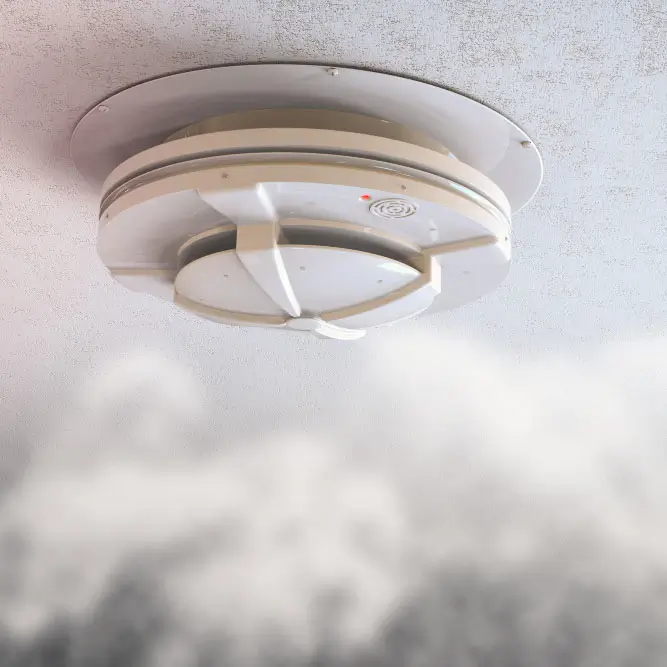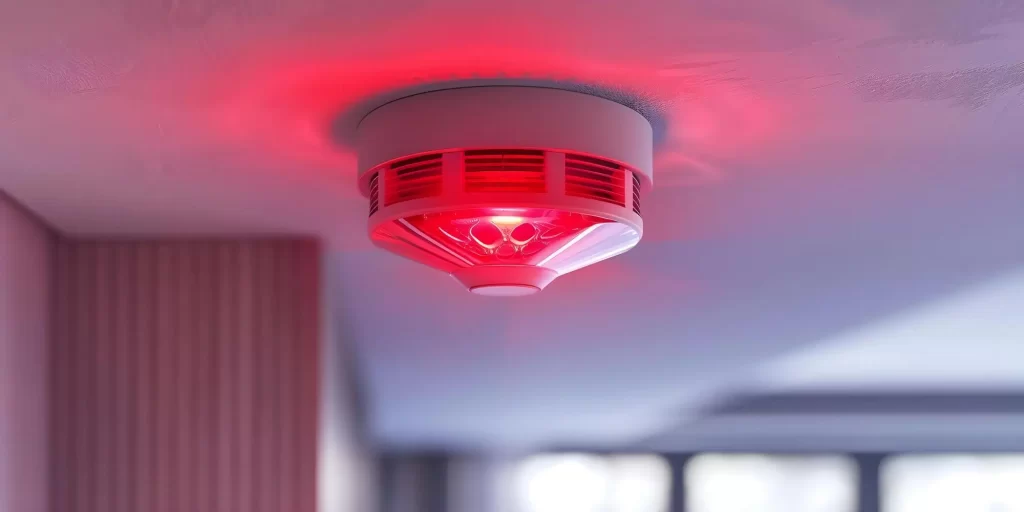
Heat detector installation is crucial in areas where smoke alarms can trigger false alarms, especially in kitchens. Under UK guidance, such as BS 5839-6, a kitchen thermal detector is recommended rather than a standard smoke detector, as it is responsive to a rapid rise in temperature rather than normal cooking fumes on a day-to-day basis. This means that heat alarms in kitchens are better suited to domestic situations, where steam and cooking vapor are more common.
As NICEIC-approved electricians, we ensure your heat alarms are perfectly interlinked with the smoke alarms across your property. Whether you need a single thermal detector for a kitchen renovation or a complete, BS 5839-6 compliant smoke and heat alarm system, our positioning and Part P compliant wiring ensure your home or rental unit meets the latest UK safety legislation. Professional installation of thermal detection devices ensures compliance with current regulations, reliable operation in the event of a fire, and safe operation as part of the wider domestic fire alarm system.
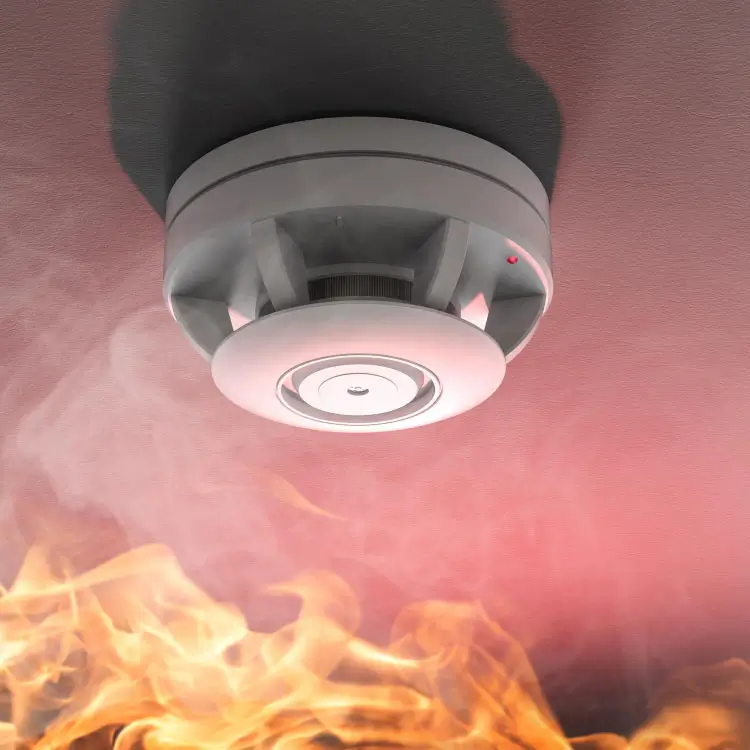
Heat alarms are not installed arbitrarily; clear UK guidance dictates their use. Under BS 5839-6, a thermal detector is normally required in kitchens, where a smoke alarm would be susceptible to false activation from cooking fumes or steam. A kitchen temperature-rise detector responds to a temperature rise, not smoke, making it better suited to high moisture and heat zones.
In many modern houses and rental properties, thermal detectors in kitchens must be linked to smoke alarms in circulation areas such as hallways and landings. This ensures that when one device activates, the whole fire alarm system sounds, thus providing early warning throughout the property.
A heat detector applied to the kitchen is commonly required when:
Correct siting, wiring, and integration mean that the temperature-activated alarm will work reliably and meet UK fire safety expectations.
Understanding the difference between a heat detector and a smoke detector when planning a compliant domestic fire alarm system is helpful. A smoke detector responds to air-borne particles from combustion and is meant to give early warning in circulation spaces like hallways and landings. A thermal detector will activate at a fixed temperature or upon a rapid temperature rise, making it more appropriate for kitchens.
This is why UK guidance recommends using a kitchen heat alarm instead of a smoke alarm in cooking areas. Using the right device helps to limit false alarms and keep the property safe. In most homes, a smoke and heat alarm system is interlinked so that when one alarm triggers, all devices activate to provide full warning coverage throughout the property.
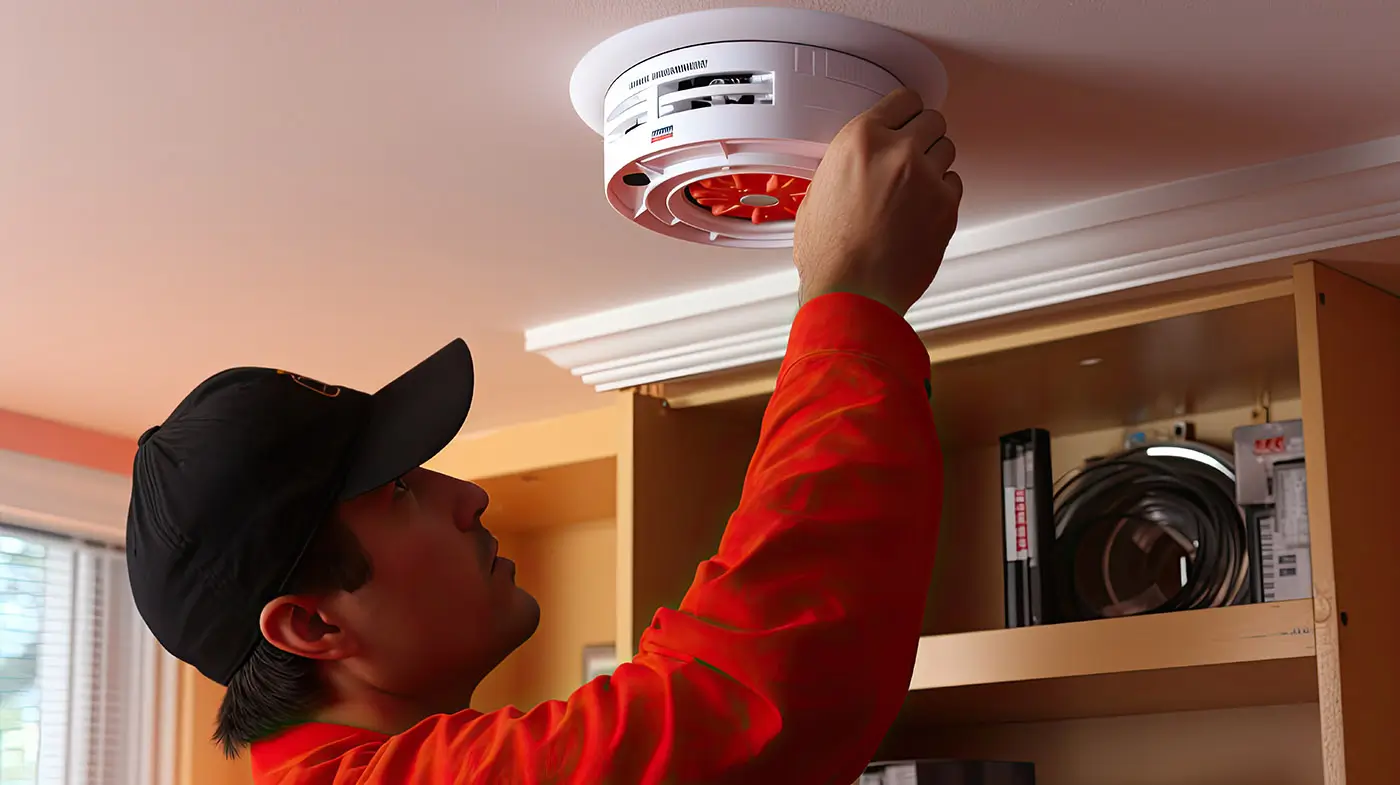
Installation of temperature-activated fire detection devices must be carried out properly to ensure the system activates correctly and complies with UK standards. Professional installation is about more than just mounting a device. We calibrate the system for LD2 or LD3 coverage, ensuring the correct interlinking and battery backup to maintain protection during power outages. Under BS 5839-6, domestic properties are normally designed to LD2 or LD3 coverage, meaning smoke alarms protect circulation areas while heat alarms are installed in high-risk kitchen areas.
We evaluate the layout of the property, ceiling heights, escape routes, and existing wiring before recommending the most suitable thermal alarm or smoke and heat alarm configuration. Where required, we install hard-wired interlinked systems with battery backup to ensure protection during a power outage.
Some of our installation approaches include:
All smoke alarm and heat detector installations are thoroughly tested to ensure proper operation and reliable long-term performance.
A heat detector is a type of fire alarm device that activates when a certain fixed temperature is reached or when there is a rapid increase in temperature. It is commonly installed in kitchens where smoke alarms may be triggered by cooking fumes.
In domestic properties, heat alarms are typically required in kitchens under BS 5839-6 guidance, especially in new-build and rental properties with interlinked fire detection systems.
No. Heat detectors respond to temperature changes, not smoke particles. Smoke detectors detect particles from combustion in the air.
A heat alarm is normally installed on the ceiling in a kitchen area away from walls and cooking appliances, following manufacturer instructions and UK standards.
Installation must comply with BS 5839-6, including correct siting, interlinking with smoke alarms, safe electrical connection, and certification.
Yes. A qualified electrician can carry out smoke alarm installation, replacement, and interlinking to ensure compliance with UK electrical and fire safety regulations.
If you require professional installation of thermal alarms or smoke alarms in your domestic or rental property, KCS Electrics offers compliant domestic fire alarm solutions throughout London. We install kitchen heat alarms, interlinked smoke and thermal alarm systems, and upgrade domestic smoke alarms in accordance with BS 5839-6 guidance.
Our coverage area includes East London, North London, South London, and West London, including Ilford, Barking, Gants Hill, Seven Kings, and Goodmayes.
Ensure your property meets UK fire safety standards. Contact KCS Electrics today for professional heat detector installation in London.